
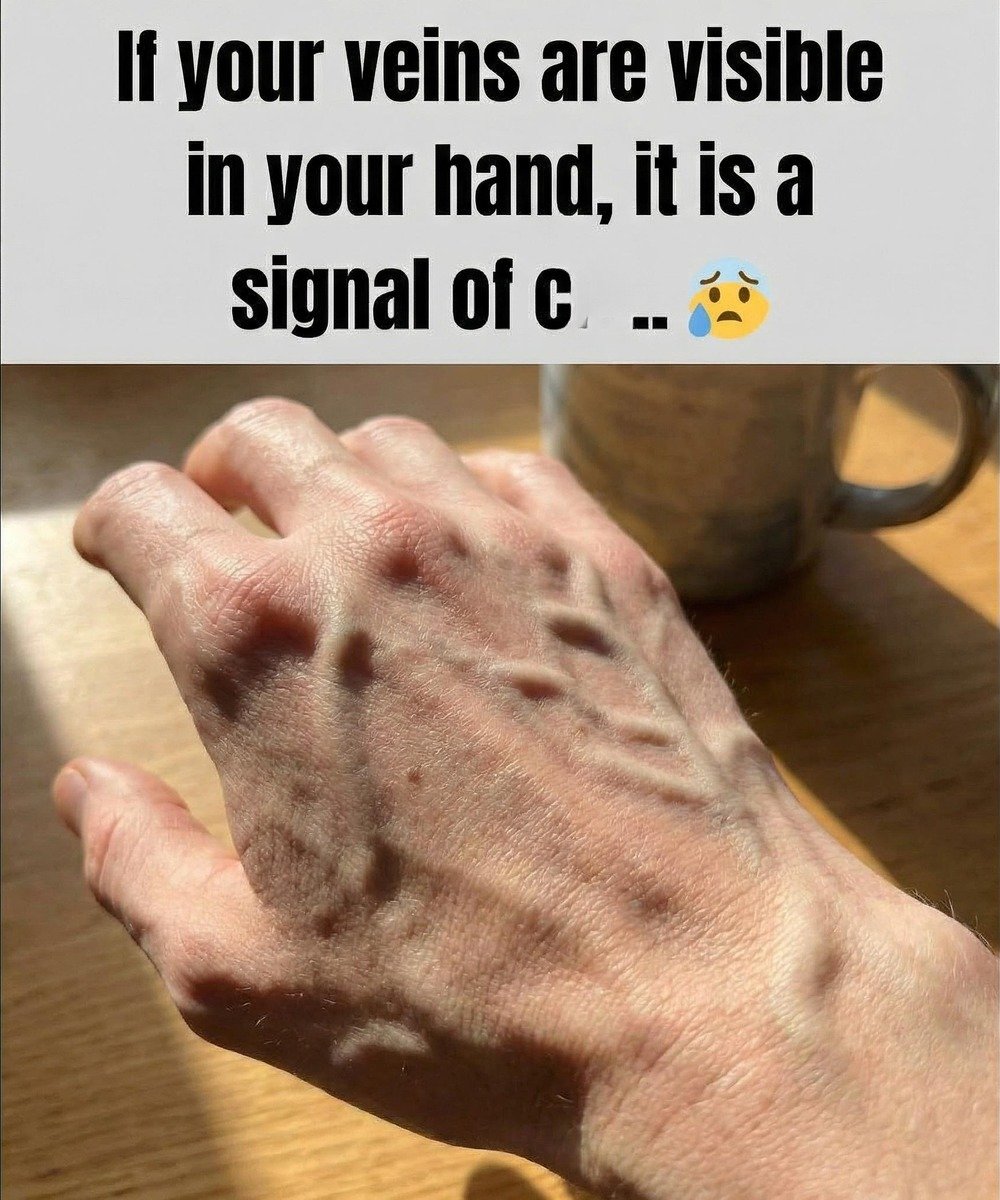
Visible veins are often a dynamic reflection of how the body responds to its environment, particularly through the process of vasodilation. When you exercise or experience high temperatures, your veins expand to accommodate increased blood flow and help regulate your core temperature, pushing the vascular network closer to the surface of the skin. For individuals with lower body fat or specific genetic predispositions, this network remains more prominent even at rest. In these instances, a “veiny” appearance is simply a sign of a high-functioning circulatory system efficiently managing the body’s immediate physiological demands.
As the body ages, the visibility of veins increases due to the natural thinning of the skin and the loss of collagen and elasticity. This reduction in subcutaneous padding means the skin becomes more translucent, effectively removing the “camouflage” that once obscured the veins beneath. Chronic dehydration can also contribute to this effect, as the skin loses its plumpness and clings more tightly to the underlying structures. While these changes can be jarring to notice, they are typically a benign byproduct of the skin’s biological evolution over time rather than a symptom of a deeper medical issue.
When veins appear not only visible but also twisted, raised, or bulging, the cause is often related to the internal valves responsible for fighting gravity. These tiny one-way gates ensure blood flows back toward the heart; however, when they weaken, blood can pool in the extremities, creating the blue or purple appearance characteristic of varicose veins. Factors such as prolonged standing, pregnancy, or significant weight fluctuations increase the pressure on these vessels. While often regarded as a cosmetic concern, this structural change indicates that the veins are under increased mechanical stress and may require supportive lifestyle adjustments.
Supporting healthy circulation involves a combination of consistent movement and proactive care, such as elevating the legs and staying hydrated to maintain skin volume. While most visible veins are a natural part of human anatomy, it is important to watch for “red flag” symptoms like sudden swelling, persistent warmth, or skin sores that do not heal. Incorporating regular walking and avoiding overly restrictive clothing can help mitigate the pressure on your vascular system. By remaining aware of these changes, you can distinguish between a natural biological map and a condition that requires professional medical guidance.