
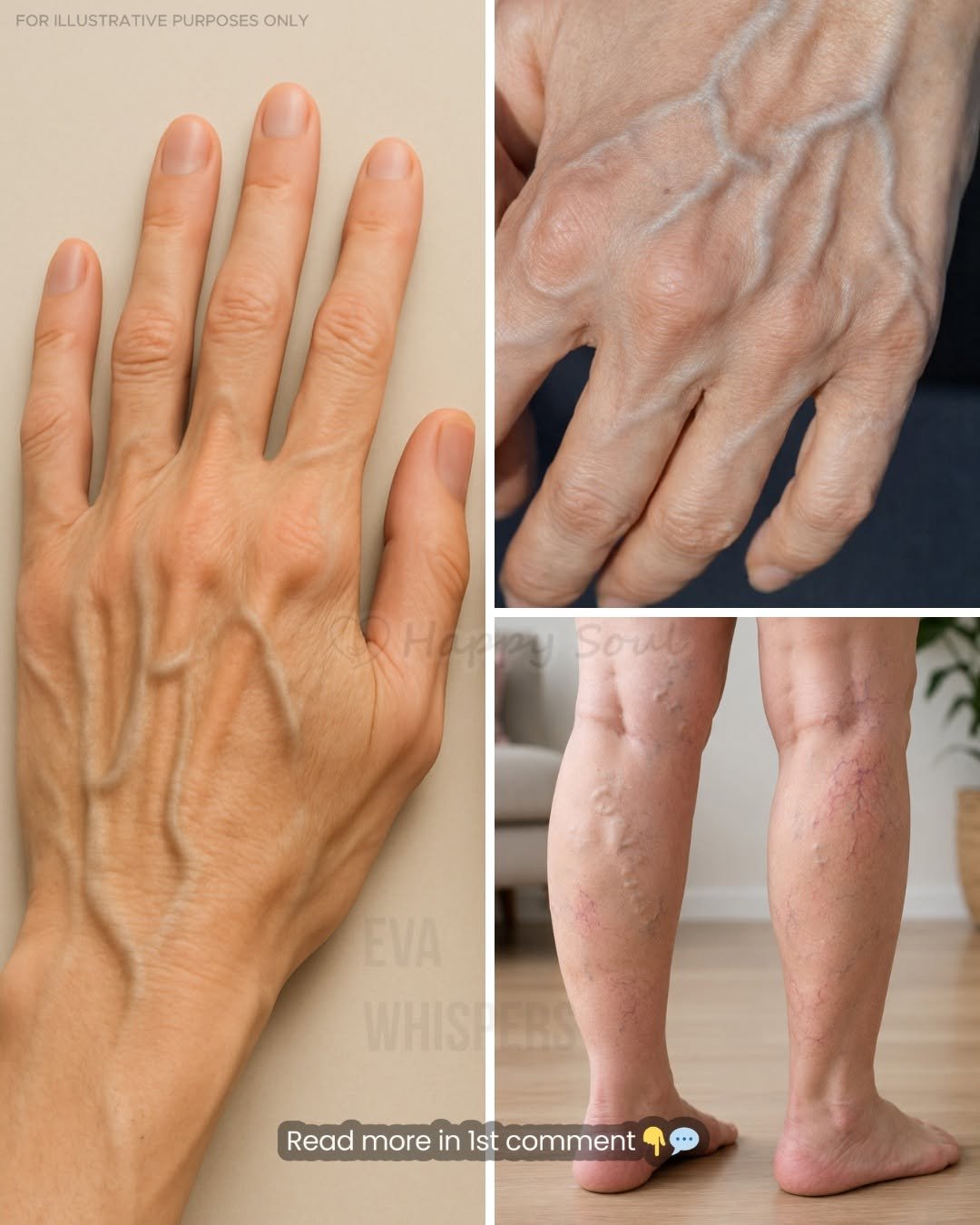
Noticing blue, green, or purple lines under your skin can feel unsettling—especially when they seem to appear almost overnight. One day your hands, legs, chest, or face look completely normal. The next day, your veins look brighter, larger, or closer to the surface.
The good news? Visible veins are often harmless. They can happen because of heat, exercise, genetics, skin changes, pregnancy, or normal shifts in circulation. However, sudden vein changes can sometimes point to an underlying vein or circulation problem, so it is important to know what is normal, what is not, and when to get medical advice.
First, What Do Veins Actually Do?
Veins are blood vessels that help carry blood from the body back to the heart. Some veins sit deep inside the body, while others run closer to the surface of the skin. When your skin is thin, blood flow increases, or a vein becomes enlarged, those surface veins can become easier to see. Cleveland Clinic explains that veins are part of the circulatory system and help keep blood moving back toward the heart.
Visible veins alone do not automatically mean something is wrong. In many people, prominent veins are simply a normal feature of their body.
1. Heat and Exercise Can Make Veins Stand Out
One of the most common reasons veins suddenly look more visible is increased blood flow. During exercise, your muscles need more oxygen and nutrients, so your circulation works harder. As a result, veins may temporarily widen and become more noticeable.
Hot weather can have a similar effect. When your body gets warm, blood vessels expand to help release heat. That is why your veins may look more obvious after running, lifting weights, cycling, taking a hot shower, or spending time outside on a warm day. Medically reviewed health guidance notes that exercise, hot weather, sun exposure, and tight clothing can all make veins more noticeable.
If your veins fade after you cool down and rest—and there is no pain, swelling, redness, or skin change—this is usually not a major concern.
2. Skin Changes Can Reveal Veins That Were Already There
Sometimes veins do not truly “appear.” They simply become easier to see. As skin becomes thinner or loses firmness, the veins underneath may show more clearly. This can happen naturally with age, sun exposure, or changes in the tissue under the skin.
Sun exposure is especially relevant on the face, neck, and chest. The American Academy of Dermatology notes that spider veins can be associated with sunlight, hormonal changes, injury, age, pregnancy, and long periods of sitting or standing. Cleveland Clinic also lists spider veins, or broken capillaries, as a sign of photoaging on areas such as the nose, cheeks, and neck.
On the face, these tiny vessels may look like fine red or purple lines, often around the nose and cheeks.

3. Genetics and Natural Body Structure Matter
Some people are simply more vein-visible than others. Family history, skin tone, the natural depth of your veins, and how much tissue sits between your veins and skin can all affect how noticeable veins look.
This is why one person may have very visible hand or arm veins while another person of the same age does not. If your visible veins have been present for years, are painless, and do not bulge or worsen quickly, they may just be part of your normal anatomy.
However, a sudden change deserves closer attention—especially if it happens in only one leg or one arm, or if it comes with pain, swelling, warmth, or skin discoloration.
4. Pregnancy and Hormonal Changes Can Affect Veins
Hormonal shifts can influence vein walls and circulation. During pregnancy, the body produces more blood, and pressure from the growing uterus can make it harder for blood to move efficiently from the legs and pelvis back to the heart.
Cleveland Clinic explains that pregnancy-related varicose veins happen when blood flow is reduced and blood pools in the veins, creating visible bulges under the skin. These veins often appear in the legs, but they can also occur in the pelvic area or rectum.
Many pregnancy-related varicose veins improve after childbirth, although some may remain. Hormonal changes outside pregnancy may also make veins more noticeable in people who are already prone to vein issues.
5. Varicose Veins Are Enlarged, Twisted Veins
Varicose veins are swollen, twisted veins that usually appear in the legs. They may look blue or purple and can bulge above the skin. MedlinePlus explains that varicose veins develop when one-way valves inside veins become weak or damaged, allowing blood to back up and pool. This pooling stretches the vein and makes it more visible.
For some people, varicose veins are mostly cosmetic. For others, they can cause heaviness, aching, burning, throbbing, leg cramps, mild swelling, itching, or restless legs. Mayo Clinic also lists lower-leg swelling and pain that worsens after long periods of sitting or standing as possible symptoms.
If visible veins come with these symptoms, it is wise to speak with a healthcare professional.

6. Spider Veins Are Smaller but Still Noticeable
Spider veins are tiny visible blood vessels that may look like thin red, blue, or purple webs. They are usually smaller and flatter than varicose veins and can appear on the legs, face, or other areas.
Many spider veins are harmless, but they can still cause soreness or cosmetic concern. Common risk factors include family history, age, pregnancy, hormonal changes, sun exposure, injury, and sitting or standing for long periods.
If spider veins appear suddenly, spread quickly, bleed, become painful, or show up with swelling or skin changes, a clinician can help determine whether they are only cosmetic or part of a larger vein problem.
7. Long Sitting or Standing Can Put Pressure on Leg Veins
Your leg veins work against gravity to move blood upward. When you sit or stand for long stretches, your calf muscles are not pumping as actively, so blood may pool more easily in the lower legs. Over time, this can contribute to visible veins, heaviness, swelling, or varicose veins.
Simple habits may support circulation: walking regularly, stretching your calves, changing positions, and elevating your legs when resting. These steps are not a cure for vein disease, but they may reduce discomfort and help prevent symptoms from getting worse.
When Visible Veins Could Be a Warning Sign
Most visible veins are not an emergency. However, you should not ignore sudden vein changes that come with pain, swelling, redness, warmth, tenderness, or tightness—especially if they affect only one leg or one arm.
Deep vein thrombosis, or DVT, is a blood clot in a deep vein, often in the leg. Mayo Clinic notes that DVT can cause pain, warmth, and tenderness, while Cleveland Clinic lists pain, swelling, redness, and warmth as common symptoms.
Seek urgent medical help if you have symptoms of DVT along with chest pain or shortness of breath. The NHS warns that a clot can travel to the lungs and cause a pulmonary embolism, which can be life-threatening and needs immediate treatment.
You should also book a medical appointment if visible veins are linked with ongoing leg pain, itching, swelling, heaviness, skin discoloration, eczema-like changes, or a sore on the leg that does not heal. The NHS recommends seeing a GP for varicose veins when symptoms such as pain, itching, or swelling occur, or when a leg sore has not healed after two weeks.

How Doctors Check Visible Veins
A healthcare professional may examine your legs while you are standing, ask about symptoms, and look for swelling or skin changes. Mayo Clinic explains that diagnosis of varicose veins often begins with a physical exam. If a deeper circulation problem is suspected, an ultrasound may be used to check blood flow and vein function.
What Can You Do About Visible Veins?
The right approach depends on the cause. For temporary veins caused by heat or exercise, cooling down and resting may be enough. For leg discomfort, helpful habits may include regular walking, avoiding long periods in one position, elevating the legs, and using properly fitted compression stockings if recommended by a healthcare professional.
Medical treatments are available when veins cause pain, swelling, skin changes, or strong cosmetic concern. Depending on the vein type and location, options may include sclerotherapy, laser treatment, radiofrequency or laser ablation, or other minimally invasive procedures. Mayo Clinic lists several treatment approaches for varicose veins, including self-care, compression stockings, sclerotherapy, laser treatment, catheter-based procedures, and vein removal procedures.
The Bottom Line
Suddenly visible veins can be surprising, but they are not always dangerous. Heat, exercise, genetics, skin changes, pregnancy, hormones, long sitting or standing, spider veins, and varicose veins can all make veins more noticeable.
The key is to look at the full picture. If veins are painless and temporary, they may simply reflect normal circulation. If they are new, painful, swollen, warm, red, one-sided, or linked with skin changes, get medical advice.
Your veins are more than a cosmetic detail. They are part of your circulation system—and paying attention to sudden changes can help protect both your comfort and your long-term vascular health.