
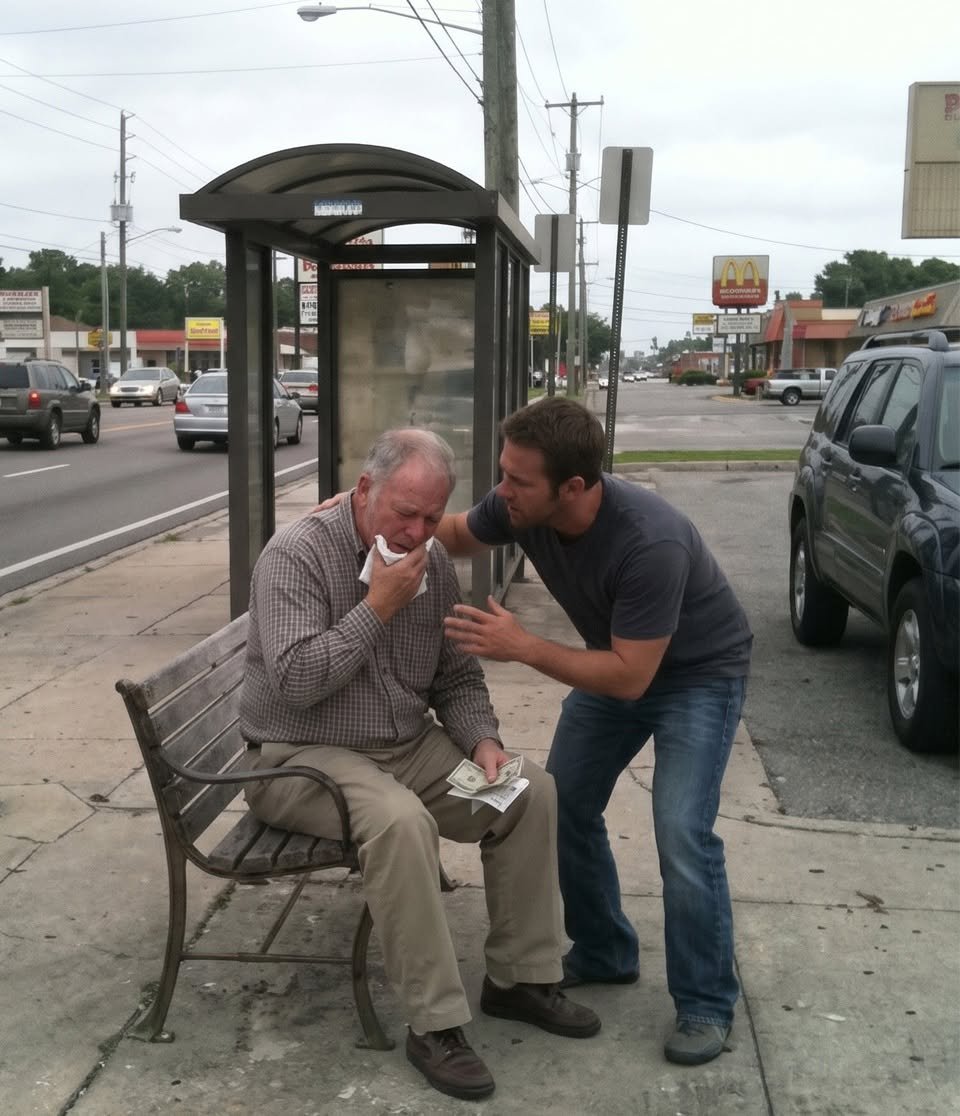
A FREE LUXURY SHUTTLE LURED ME IN FOR A BASIC TOOTHACHE, BUT WITHIN HOURS, A PREDATORY COSMETIC DENTIST DRASTICALLY CLEARED OUT MY ENTIRE JAW WITH TWELVE EXTRACTIONS, TOOK EVERY DIME TO MY NAME, AND LEFT ME IN CRITICAL DISTRESS ON A CURB—COMPLETELY BLIND TO THE CATASTROPHIC MISTAKE HIDDEN INSIDE THE VERY MEDICAL FILE HE THOUGHT WOULD PROTECT HIM.
It started on a humid Tuesday morning in Clearwater, Florida, when tooth number nineteen—my lower left first molar—began shooting throbbing pain straight into my jawline.
I was sixty-three, retired on a fixed Social Security income and a modest pension, living alone after losing my wife three years ago.
Get Marriage Tips
Between segments of the morning cable news, a polished local commercial flashed on my television screen for SunCoast All-on-X Dental Pavilion.
The screen displayed smiling seniors biting into crisp apples beside bold text: “Morning Surgery, Evening Prime Rib — Restore Your Full Smile to Live Past 100!”
At the bottom of the screen, a promotion flashed: “Complimentary 3D Panoramic Scan, Full Oral Health Exam, and Free Round-Trip Luxury Shuttle for Pinellas County Seniors.”
I dialed the toll-free number merely hoping to find out how much a simple root canal and porcelain crown would cost.
Within forty-five minutes, a sleek black Lincoln Navigator pulled into my driveway, driven by a uniformed private chauffeur who handed me a chilled bottle of water.
The clinic occupied a freestanding glass-and-limestone pavilion off Highway 19, looking more like an upscale cosmetic surgery spa than an ordinary dental office.
The front desk staff greeted me by name, handed me a digital iPad with an electronic stylus, and breezed past twenty pages of fine-print digital agreements.
When I handed over my medical history form, I had clearly printed out my chronic conditions: four coronary drug-eluting stents implanted two years prior, a daily regimen of Plavix and low-dose aspirin, Type-2 diabetes with an HbA1c of 8.2, and persistent stage-2 hypertension.
The clinic owner, Dr. Bradley Sterling—a tan man in his late forties with razor-sharp veneers and an expensive Swiss watch—stepped into the consultation room after reviewing my 3D cone-beam scan.
He did not touch my aching molar; instead, he pointed at the grayscale screen and told me that my remaining twelve teeth were ticking time bombs riddled with severe periodontitis and microscopic root fractures.
Dr. Sterling looked into my eyes with intense clinical urgency, claiming that keeping infected natural teeth would cause systemic inflammation that would directly rupture my coronary stents and trigger another fatal heart attack.
He assured me that traditional dental bridges were obsolete, and that his patented “Same-Day Guided Arch” method required extracting all twelve remaining teeth and placing ten titanium implants to anchor an immediate acrylic bridge.
When I raised my hand and told him about my blood thinners and cardiologist’s warnings, he smiled smoothly, patted my shoulder, and claimed their in-house nurse would run continuous biometric monitoring while administering local sedation.
His treatment coordinator then entered the room with a portable card terminal and asked for my banking credentials and digital wallet to set up an “instant healthcare financing verification.”
I was already lightheaded from the escalating toothache, the intimidating warnings of impending heart failure, and the sensory overload of the clinic.
Before I could ask for a printed itemized quote, an assistant draped a lead apron over my chest, hooked a pulse oximeter to my finger, and injected three vials of articaine local anesthetic deep into my gums.
Minutes later, an intravenous sedative hit my bloodstream, and the clinical lights above blurred into spinning halos.
The surgery was far from painless; I slipped between twilight anesthesia and sharp bursts of consciousness, feeling the violent mechanical torque of surgical pliers and the vibration of a surgical bone drill grinding into my maxilla and mandible.
When the chair finally tilted back upright at four in the afternoon, my entire lower face was numb, heavy, and throbbing with excruciating heat.
A wad of soaked gauze was shoved between my jaws, blood was trickling down my chin, and my speech was reduced to muffled, incoherent groans.
The office manager guided my trembling hand across a terminal signature pad, claiming it was for post-op prescriptions, while in reality running a full electronic funds transfer directly from my linked savings account.
They drained $18,800—every cent of my emergency savings—and generated an electronic promissory note via a high-interest medical credit company for an additional $6,200 balance.
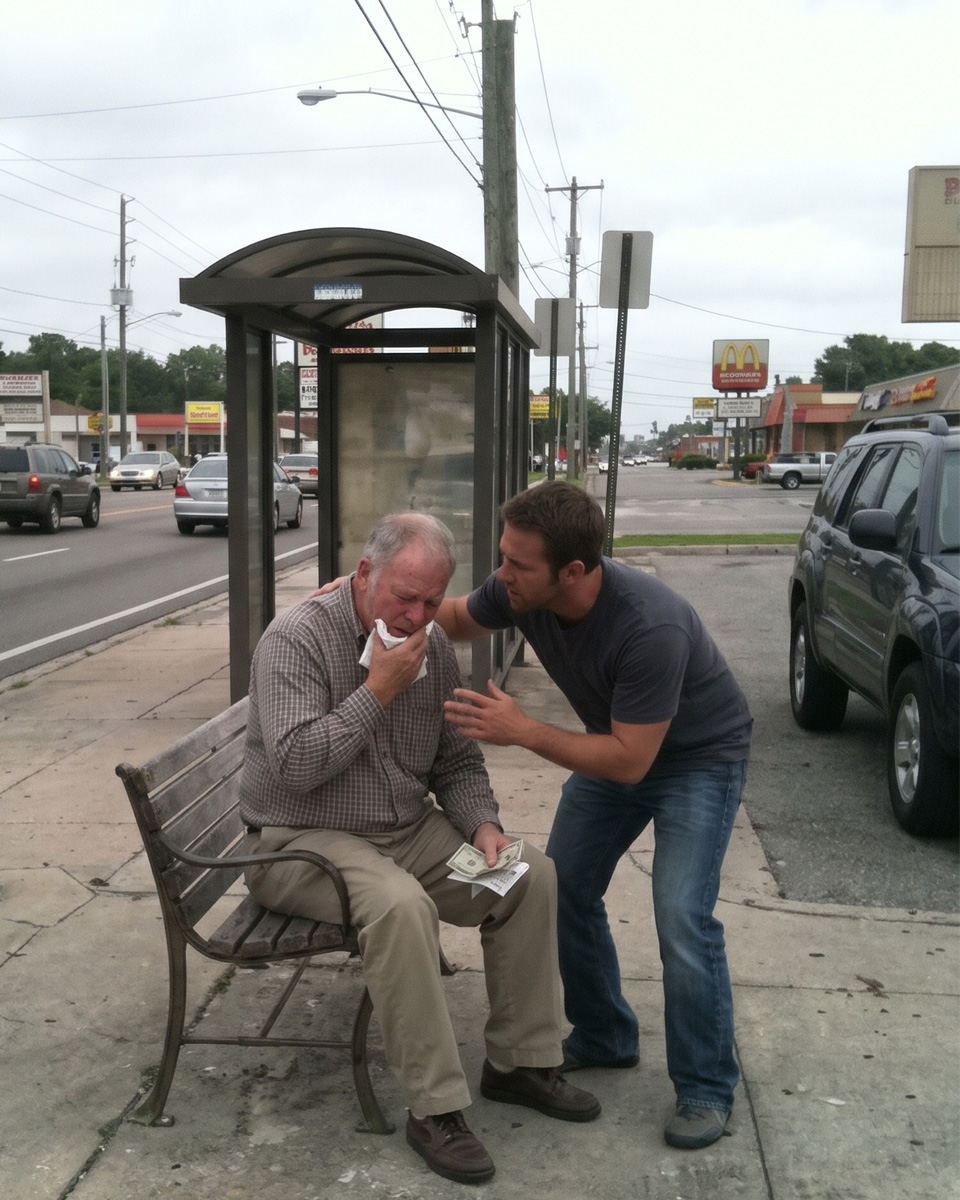
Instead of calling the chauffeured car they used to lure me in, an assistant led me through a rear side door into the blinding Florida sun, handed me a single paper twenty-dollar bill, and told me to hail a cab at the bus stop down the boulevard.
I collapsed onto the metal bench, unable to speak, gagging on thick blood clots, clutching my chest as my blood pressure spiked wildly.
My son, David, a certified health-system compliance auditor who lived twenty minutes away, had been trying to reach my phone all afternoon.
He tracked my phone’s GPS to the bus stop, pulled his car over with screeching tires, and found me pale, soaked in sweat, with blood staining my cotton shirt.
David bypassed the dental clinic entirely and sped three miles north directly into the emergency trauma bay of Mease Countryside Hospital.
The emergency physicians immediately diagnosed acute post-surgical hemorrhaging compounded by antiplatelet therapy, an irregular cardiac rhythm, and a blood glucose spike over 380 mg/dL.
It took forty-eight hours in the cardiac progressive care unit, along with specialized coagulant packing and intravenous blood pressure management, to stabilize my vitals.
As soon as I was discharged with an empty, stitched jaw and no teeth whatsoever, David invoked Florida’s strict Medical Records Statute and formally demanded my complete chart from SunCoast Pavilion.
The initial binder Dr. Sterling’s office delivered was a frantic comedy of errors: the face sheet identified me as a seventy-one-year-old female named “Brenda,” and the clinical notes recorded an uneventful dental prophylaxis and tooth whitening.
When David served them with a formal spoliation notice warning them against destroying electronic server logs, the clinic scrambled, producing a second version of my records forty-eight hours later.
In this revised file, the gender had been hastily corrected, but David’s digital forensics audit noticed that the electronic signature stamps on the “Pre-Operative Cardiac Clearance” were dated six months after the actual surgical date.
Dr. Sterling had clearly panicked, forged a consultation sheet with a cardiologist who had retired two years earlier, and tried to backdate the server metadata.
David did not waste time with basic complaints; he filed an emergency petition directly with the Florida Board of Dentistry, the Agency for Health Care Administration, and the Special Prosecutions Bureau of the State Attorney General.
Under Florida administrative law, conducting complex, multi-site maxillofacial bone surgery on an unvetted, high-risk anticoagulated cardiac patient without documented clearance constitutes gross medical endangerment.
Within four weeks, state investigators executed an unannounced inspection warrant on the SunCoast All-on-X Pavilion.
They seized the main server and found an internal messaging thread between Dr. Sterling and his billing manager explicitly discussing how to target older homeowners with high savings balances and aggressive “strip-and-drill” quotas.
The State Surgeon General signed an emergency restriction order shutting down the facility within forty-eight hours, citing altered patient records, fabricated pre-operative clearances, and dangerous surgical protocol violations.
Faced with impending criminal charges for healthcare fraud and reckless endangerment, Dr. Sterling’s insurance carriers folded immediately during pre-suit mediation.
The settlement was decisive and devastating to the predatory practice.
The clinic was forced to wire back my entire $18,800 savings balance within twenty-four hours and completely extinguish the $6,200 fraudulent financing debt.
Beyond the restitution, their professional liability policy paid out a $1.4 million full-policy-limits malpractice settlement into my trust account.
Part of the state regulatory ruling required Dr. Sterling to personally forfeit his luxury medical building to satisfy outstanding claims and fund an escrow account for defrauded patients.
Six months later, under the meticulous care of the oral and maxillofacial surgery department at the University of Florida College of Dentistry in Gainesville, my jawbone had healed properly from the trauma.
Board-certified prosthodontists took their time, consulting with my cardiologist and endocrinologist, to fabricate a perfectly balanced, lightweight titanium-reinforced zirconia bridge over the four viable implant sites that could safely be preserved.
Yesterday evening, our family gathered at a waterfront restaurant in Dunedin to celebrate my sixty-fourth birthday.
I sat at the head of the table, smiling effortlessly with a natural, pain-free smile, and ate a beautifully grilled filet mignon without a single twinge of discomfort.
On the local evening news playing on the bar television behind us, a short segment reported on the formal revocation of Dr. Bradley Sterling’s medical license, accompanied by footage of him entering county court to answer multiple felony fraud counts.
I took another sip of my iced water and shared a quiet, knowing look with my son.
The clinic’s roadside promise had technically come true: I got my steak, and I have every intention of living past one hundred.
Real medicine is grounded in caution, verification, and patience, while reckless greed inevitably trips over its own paper trail.