
The officer raised the door higher. Fluorescent light filled the small storage unit. A twin mattress lay on the concrete floor. A child’s backpack sat against one wall. Plastic bins labeled with our family names were stacked neatly. Taped above the backpack was a sealed envelope.
The officer stopped the door and ordered everyone back. He radioed for additional units and a child-services worker. No one entered further until the scene was secured and photographed.
Noah stayed pressed against our mother. I kept my hand on his wrist. The parking-lot heat still clung to his clothes, but the storage hallway felt colder. An ambulance crew that had followed from the supermarket checked him again under the harsh lights. His temperature had come down. The mark on his cheek was photographed once more. He was cleared to remain with us while statements were taken, provided we stayed with the officers.
The facility manager produced the rental agreement and access logs. Michael’s name was on every entry. Cash payments. Late-night visits. The dates matched the two times Noah had said he was taken there. The manager’s records became part of the police file within the hour.
A detective arrived and spoke with my mother first, then with me, then briefly and carefully with Noah in the presence of a child advocate. Noah repeated what he had already told the first officer: Michael had struck him for refusing to say “Dad,” locked him in the car, and had previously taken him to the storage unit “to learn to listen.” He did not elaborate further. No one pressed him.
The sealed envelope was collected as evidence and not opened in front of us. The backpack and bins were inventoried under chain-of-custody procedures. Nothing was removed for personal examination. The entire unit was sealed pending a full forensic search.
Michael was located later that evening. He was arrested on charges that included child endangerment, assault, and unlawful imprisonment. The hot-car incident, the visible injury, the witness statements from Daniel and the other bystanders, and the storage-unit evidence formed the core of the case. Bail was set high enough that he remained in custody.
My mother signed the necessary consents for emergency protective measures. A temporary order barred Michael from any contact with Noah or with our home. Child Protective Services opened a case the same night. Because the abuse had occurred while we were in Michael’s care, a safety plan was put in place immediately: Noah would stay with our mother under supervision of the assigned caseworker, and I was listed as an additional approved caregiver.
At the hospital the next morning, Noah received a full evaluation. The concussion risk was ruled out. The heat exposure had caused no lasting organ damage. Soft-tissue swelling on his face would fade. A child psychologist met with him once and scheduled follow-up sessions. He asked only whether Michael could still come to the house. The answer was no.
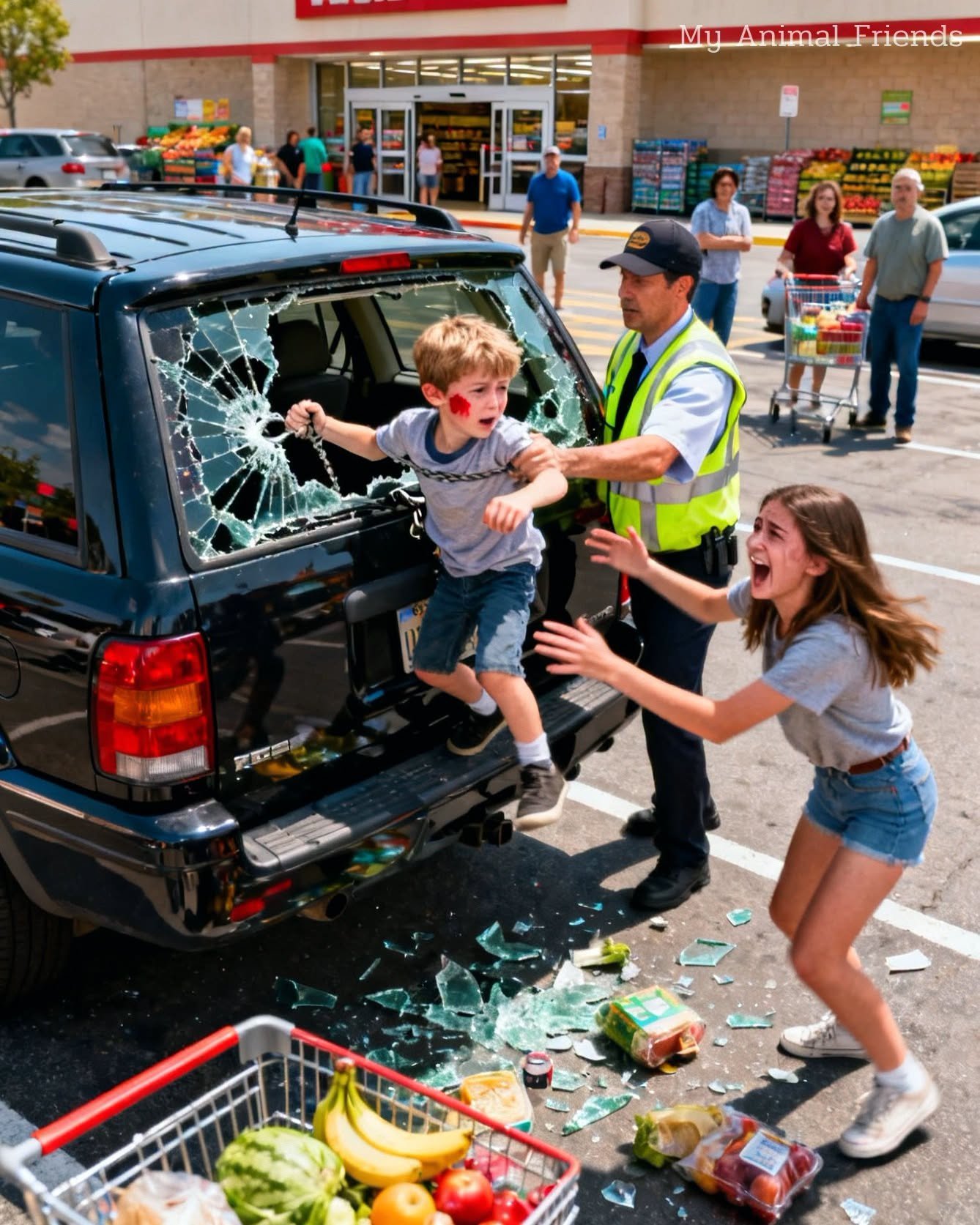
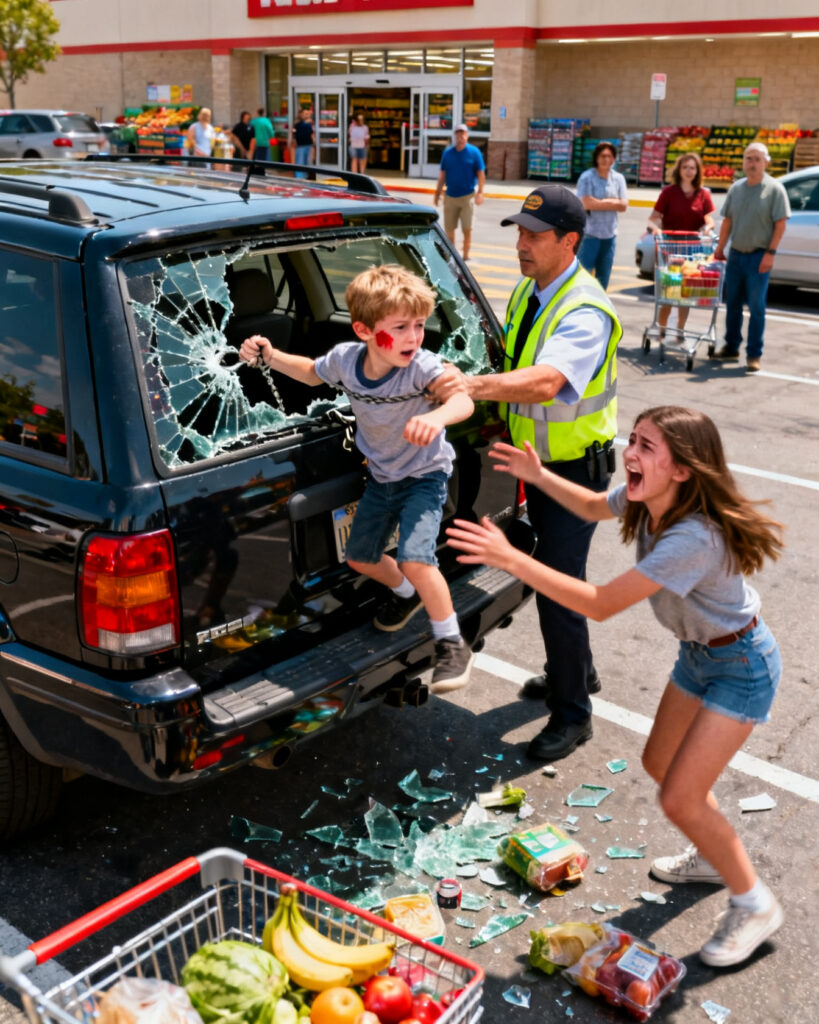
I gave a detailed statement about the months of pressure on Noah to use the word “Dad,” the escalating punishments, and the afternoon at the supermarket. The receipt timestamp, the locked doors, the broken window, and Daniel’s written account corroborated every part of it. My mother’s work records confirmed she had been on shift. The storage agreement and access logs closed any remaining gaps.
In the weeks that followed, the criminal case moved forward on the strength of the physical evidence and the child’s consistent statements. Michael’s claim that Noah had locked himself in the car collapsed under the heat data, the injury pattern, and the independent witnesses. The storage unit was processed completely; its contents supported the pattern of isolation and control already described in the police reports.
Noah began sleeping through the night again after the first week. He stopped checking the windows every time a car door closed outside. Therapy helped him put words to the fear without requiring him to relive every detail. Our mother changed the house locks, updated school emergency contacts, and kept the protective order in a folder by the door.
I finished my senior year. The parking attendant, Daniel, checked on us once through the detective to make sure Noah was recovering. We thanked him. His decision to break the window had given the rest of the system time to work.
The brass key with the blue tag never returned to anyone in our family. It remained in evidence. The unit was cleared and the rental terminated by court order. The envelope, the mattress, the labeled bins—all of it stayed inside the official record rather than inside our home.
Some adults believe a child’s refusal to use a certain name can be corrected with heat, isolation, and fear. The law does not. The broken window, the timestamped receipt, the storage logs, and a seven-year-old’s quiet decision to hide a key in his sock became the pieces that stopped the pattern.
Noah is safe. The car is gone. And the only rooms he enters now are ones whose doors open from the inside by people who protect him.